📦 Cash on Delivery | 🚛 Fast 5-Day Home Delivery | ✨ Free Shipping on Orders of 3 or More Items📦 Cash on Delivery | 🚛 Fast 5-Day Home Delivery | ✨ Free Shipping on Orders of 3 or More Items
Temperature is the single biggest factor that decides what your vaping session actually feels like. Two people can load the same flower into the exact same device and walk away with completely different experiences, just because one set their vaporizer to 350°F and the other set it to 420°F.
If you have ever wondered why your vapor tastes harsh one day and smooth the next, or why some sessions barely produce a cloud while others feel almost like smoking, the answer usually comes down to weed vape temp. This guide covers everything you need to know, from the science of cannabinoids and terpenes to a full vape temperature chart you can actually use.
Why Vape Temperature Matters
Cannabis flower contains hundreds of compounds, but two groups matter most for vaping: cannabinoids and terpenes. Cannabinoids like THC and CBD are responsible for the effects you feel, while terpenes are the aromatic oils that give each strain its unique smell and flavor.
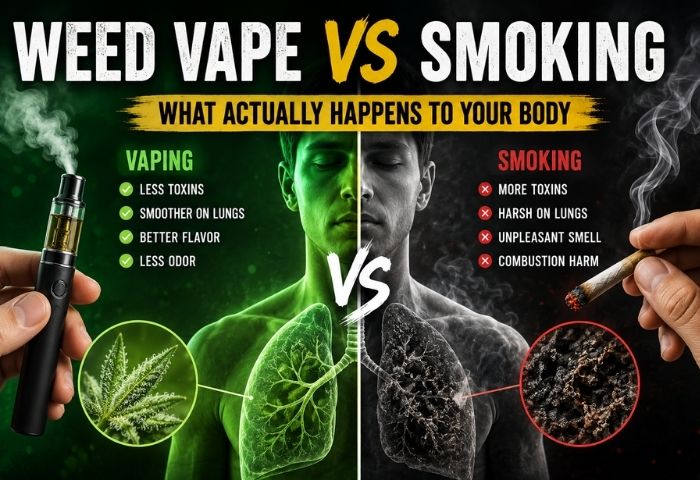
Every compound has its own boiling point. A vaporizer works by heating flower just enough to release these compounds as vapor, without hitting the point of combustion, which is what happens when you light a joint. Combustion burns plant material and produces smoke along with harmful byproducts. Vaping stays below that threshold, which is why the temperature you choose has such a direct effect on what gets released, and in what order.
Set the temperature too low, and only a fraction of the available compounds turn into vapor, leaving you with weak effects and a lot of wasted material. Set it too high, and you start burning the plant matter itself, which brings back the harshness and some of the combustion byproducts that vaping is meant to avoid.
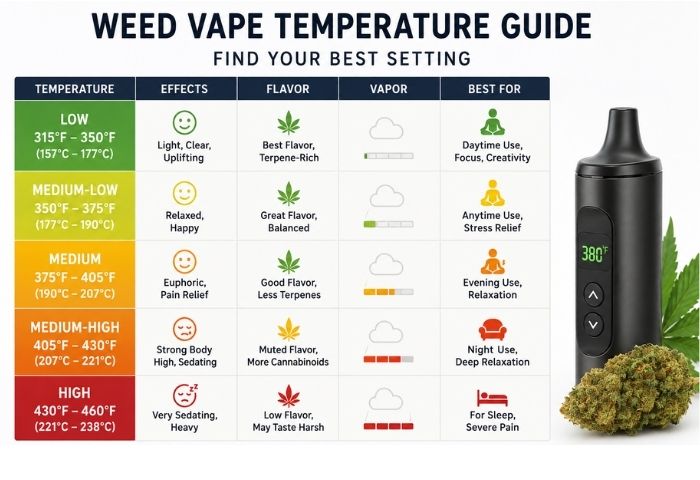
Weed Vape Temperature Chart
Here is a general breakdown of what happens at different temperature ranges. Keep in mind that exact numbers vary slightly by device and strain.
Temperature Range
What You Get
315°F to 350°F (157°C to 177°C)
Light, smooth vapor. Strong flavor, mild effects. Good starting point for beginners.
350°F to 400°F (177°C to 204°C)
The most popular range. Balanced flavor and effects, with a good amount of visible vapor.
400°F to 430°F (204°C to 221°C)
Thick, dense vapor with stronger effects. Flavor becomes a bit less crisp.
430°F to 450°F (221°C to 232°C)
Very strong effects and heavy vapor production, but flavor drops off and harshness increases.
Above 450°F (232°C)
Risk of combustion. You lose most of the flavor benefits of vaping and get closer to a smoking experience.
Best Temperature to Vape Weed by Goal
There is no single best temp to vape weed, because the right setting depends on what you are after in that particular session.
For flavor: Stay in the lower range, around 320°F to 360°F. This is where terpenes are released most cleanly, before the plant material starts to degrade. If you have ever heard vaping enthusiasts talk about “flavor chasing,” this is the range they mean.
For effects: Most people find the sweet spot for potency sits between 380°F and 420°F. This range activates more of the available cannabinoids without pushing into combustion territory.
For efficiency: If you want to get the most out of your flower over a longer session, a gradual approach works well. Start low for the first few draws, then slowly raise the temperature as the session goes on. This mirrors how compounds naturally boil off in stages, so you get flavor early and stronger effects later, all from the same bowl.
For beginners: Starting around 340°F to 370°F is usually recommended. It gives a manageable experience without overwhelming vapor density, which makes it easier to judge tolerance.
Low Temp vs High Temp Vaping
Low temperature vaping, generally anything under 370°F, tends to produce thinner vapor and a more distinct terpene flavor. Many people describe it as a lighter, clearer feeling, since fewer compounds are being released at once.
High temperature vaping, typically above 400°F, produces thicker clouds and a more intense experience. The trade-off is that flavor becomes muddier, and the risk of scorching your material goes up, especially if the same spot in the chamber gets repeatedly heated.
Neither approach is objectively better. It really comes down to personal preference, tolerance, and what you are using the flower for that day.
Convection vs Conduction Vaporizers and Temperature
The type of vaporizer you use also affects how temperature settings translate into real results.
Conduction vaporizers heat the flower through direct contact with a hot surface. They tend to heat up faster but can create hot spots, meaning parts of the bowl may be closer to combustion than the display temperature suggests.
Convection vaporizers heat air and pass it through the flower, which usually means more even heating and better control over temperature. Because there is no direct contact with a hot surface, convection devices generally let you push temperatures a bit higher before flavor starts to suffer.
If your device is a hybrid of both, it is worth experimenting slightly lower than the chart above suggests, since hybrid heating can run hotter than the display indicates.
Dry Herb Temperature vs Concentrate Temperature
It is worth noting that dry flower and concentrates behave differently. Concentrates like wax or shatter often vaporize efficiently at higher temperatures, sometimes 450°F and above, because they lack the plant fiber that burns and turns harsh in dry flower. This guide focuses specifically on dry herb, since flower and concentrates require very different heat settings and different types of devices.
How to Find Your Personal Best Vape Temp
Every device, strain, and grind size behaves a little differently, so treat the chart above as a starting point rather than a rulebook. A few practical tips:
Grind your flower to a medium consistency. Too fine and it can clog or burn unevenly. Too coarse and heat won’t distribute well.
Start low and work your way up during a session rather than guessing high from the start. It is much easier to add heat than to undo a burnt bowl.
Pay attention to vapor color. Clear to lightly tinted vapor usually means you are in a good range. Vapor that looks darker or smells like burnt popcorn is a sign you have gone too high.
Keep notes if you vape different strains regularly. Denser, oilier strains often need slightly less heat than light, fluffy ones.
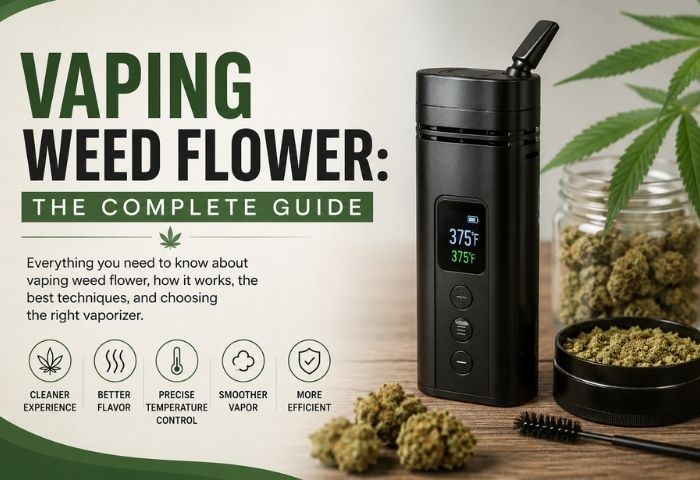
If you are shopping for a device and want something that gives you precise, adjustable control over these ranges rather than fixed presets, that is exactly the kind of feature worth prioritizing, and it is one of the things we focus on when recommending vaporizers at Bang Vape Trade.
Frequently Asked Questions
What is the best temperature to vape weed?
Most people land somewhere between 350°F and 400°F for a balance of flavor and effects, though the ideal setting depends on your goals and device.
Does higher temperature mean you get more high?
Higher temperatures release more cannabinoids per draw, which can intensify effects, but going too high sacrifices flavor and risks combustion.
What temperature destroys THC?
THC begins to degrade at very high heat, and combustion generally starts above 450°F to 500°F depending on the device and material.
Is low-temp vaping better for you?
Low-temp vaping produces cleaner, lighter vapor with less risk of combustion byproducts, which many people consider a gentler experience on the lungs and throat.
Why does my vapor taste burnt even at lower settings?
This is often caused by hot spots in conduction devices, packing the bowl too tightly, or reusing the same spot in the chamber across multiple sessions.
Summary
Weed vape temperature is not a one-size-fits-all setting. It is a dial you can use to shape flavor, vapor density, and intensity to match exactly what you want out of a session. Start with the ranges in this guide, pay attention to how your device and flower respond, and adjust from there until you land on the setting that feels right for you.
Posted by BANG
BANG Vape Trade is a trusted vape brand providing quality vaping products, including disposable and rechargeable vape devices. Our team focuses on product quality, accurate information, and helping customers make informed choices.
If you’re switching from smoking to vaping, or you’re just curious about discretion, one question comes up constantly. Do weed vapes smell like weed? The