If you’ve only ever smoked cannabis, switching to a vape for weed flower can feel like a different experience entirely. There’s no lighter, no smoke, and often a lot more flavor. But dry herb vaporizers work differently than the cartridge pens most people picture when they hear the word “vape,” and getting good results means understanding a few basics first.
This guide covers whether you vape weed flower, how a weed vape actually works, and the best way to vape weed so you get smooth, potent sessions instead of harsh, wasted ones.
Can You Vape Weed Flower?
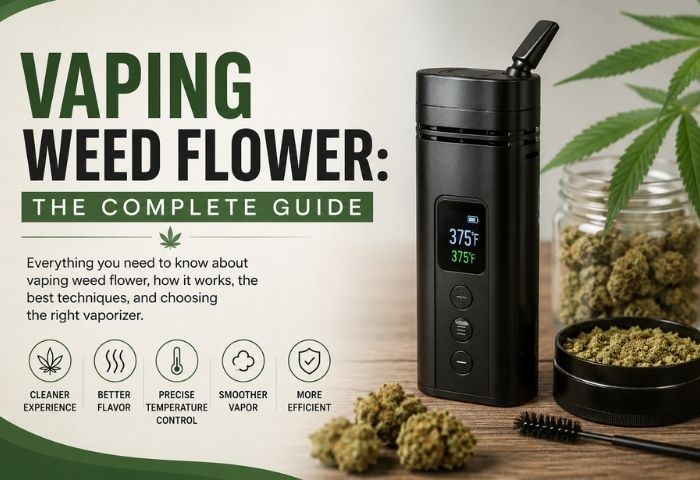
Yes, and it’s actually one of the most popular ways to consume cannabis today. Vaping weed flower means heating ground cannabis buds in a dry herb vaporizer until it releases vapor, rather than burning the plant material the way a joint or pipe would. The device heats the flower to a temperature high enough to activate cannabinoids and terpenes, but low enough to avoid combustion.
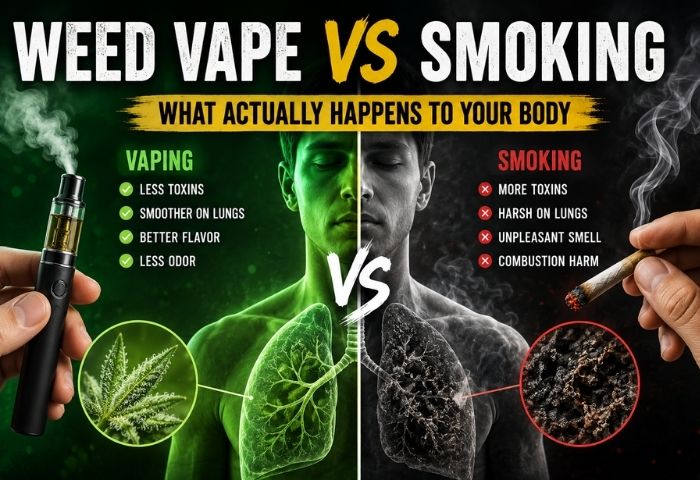
This matters because combustion is what creates smoke, tar, and many of the harsher byproducts associated with smoking. Vaping flower gives you a cleaner draw, a more noticeable flavor from the strain itself, and generally less lingering odor.
How Does a Weed Vape Work?
A weed vape for flower works by heating ground cannabis using one of three main methods: conduction, convection, or a hybrid of both. Understanding the difference is the key to understanding how these devices perform.
Conduction heating works through direct contact, similar to a pan on a stovetop. The herb sits against a heated surface, usually ceramic or metal, and picks up heat directly from that contact. Conduction vapes tend to heat up fast, often in under 30 seconds, and are usually more affordable. The tradeoff is uneven heating, since the herb touching the chamber wall heats faster than the herb in the middle. This can lead to a slightly harsher hit if the device isn’t stirred during a session.
Convection heating works more like a small oven. Hot air passes through the ground herb instead of touching it directly, warming it evenly from all sides. This produces smoother, more flavorful vapor since there’s very little risk of scorching. Convection devices usually cost more and can take slightly longer to heat up, but most experienced vape users consider the flavor difference worth it.
Hybrid heating combines both methods. The chamber walls provide some direct heat while air also circulates through the herb, giving you a faster warm-up time along with much of the flavor quality convection is known for. Many of today’s higher-end portable vaporizers use hybrid systems for this reason.
Once the herb reaches the right temperature, the cannabinoids and terpenes turn into vapor rather than smoke, and you inhale that vapor through a mouthpiece, sometimes with a cooling path or water pipe attachment in between.
Types of Vapes for Weed Flower
There are a few main categories of vapes for weed flower, and picking the right one depends on how and where you plan to use it.
Portable conduction vapes are compact, budget-friendly, and quick to heat up. They’re a solid starting point if you’re new to flower vaping and want something simple.
Portable convection or hybrid vapes cost more but deliver noticeably better flavor and more even extraction. These are popular with people who vape regularly and care about getting the most out of each bowl.
Desktop vaporizers plug into the wall and offer unlimited, consistent power, which makes them a favorite for home use, especially among heavier users who don’t want performance to fade over a long session. They’re not portable, but they tend to produce the most consistent vapor quality.
Most devices also let you choose between session mode, where the vaporizer runs on a timer, and on-demand mode, where it heats only while you’re actively drawing. On-demand mode tends to conserve material better and gives you more control over pacing.
How to Vape Weed Flower Step by Step
If you’re new to this, the process is simple once you know the basic steps.
Grind your flower evenly. A consistent, medium grind exposes more surface area to heat, which leads to more even vaporization. Grinding too fine can clog airflow, while leaving buds too chunky results in uneven heating.
Pack the chamber loosely. Unlike packing a bowl for smoking, dry herb vaporizers generally perform best with a loose, evenly distributed pack. This allows air or heat to move through the herb rather than getting stuck against a dense clump.
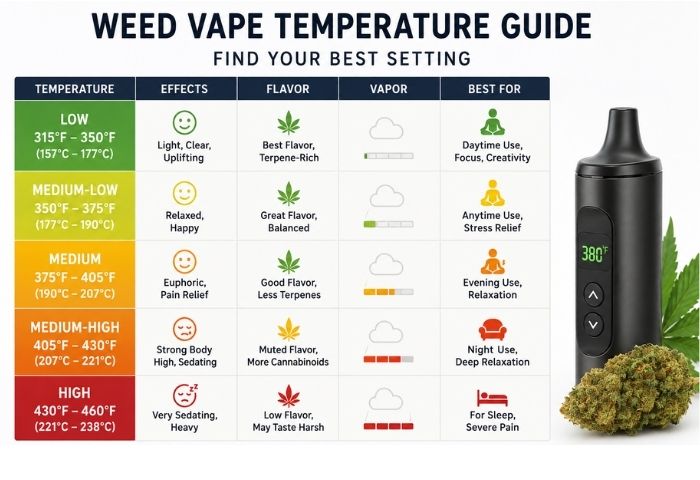
Choose your temperature. Most vaporizers let you set a specific temperature, usually somewhere between 320°F and 430°F, or roughly 160°C to 220°C. Starting low and working up gives you more control over the experience.
Take slow, steady draws. Dry herb vapor tends to be lighter than cartridge vapor, so slower, longer draws typically extract more vapor than quick, sharp pulls.
Stir the chamber if needed. This is especially useful with conduction vapes, since stirring redistributes the herb and helps prevent the outer layer from over-cooking while the center stays under-heated.
The Best Way to Vape Weed: Temperature Matters
Temperature is probably the single biggest factor in how your session turns out, and it’s worth experimenting to find your sweet spot.
Lower temperatures, around 320°F to 356°F (160°C to 180°C), tend to produce light, flavorful vapor that highlights the terpene profile of the strain. This range is popular with people who prioritize taste and a more functional, clear-headed effect.
Mid-range temperatures, around 365°F to 390°F (185°C to 200°C), are where most regular users settle. This balances flavor with a stronger, more noticeable effect, and works well as an everyday setting.
Higher temperatures, above 400°F (205°C), extract more from the herb per draw, producing thicker vapor and a stronger effect, but flavor starts to drop off, and there’s a higher risk of combustion if the device runs too hot for too long.
A good approach is to start a session on the lower end and gradually increase the temperature as the bowl gets used up, since the flower naturally has less moisture and less material left to vaporize as you go.
Choosing a Vape for Weed Flower
When comparing vapes for weed flower, a few features tend to make the biggest difference in day-to-day use.
Heating method. As covered above, convection and hybrid systems generally offer better flavor, while conduction devices offer speed and a lower price point.
Temperature range and control. Look for a device that lets you set precise temperatures rather than only offering a few fixed presets, especially if you like to fine-tune your sessions.
Battery life and heat-up time. Portable devices vary widely here. If you’re vaping on the go, a fast heat-up time and solid battery life matter more than they would for a desktop unit plugged into the wall.
Chamber size and material. Ceramic and glass chambers are generally easier to clean and don’t affect flavor the way some plastics can over time.
Water pipe compatibility. Some vaporizers include an adapter for running vapor through a water pipe, which cools and smooths out the draw, especially useful at higher temperatures.
Vaping Flower vs Vaping Oil
It’s worth noting that a weed vape for flower is a different device category than an oil or cartridge weed vape pen. Flower vaporizers heat whole ground buds directly, while cartridge pens heat pre-extracted cannabis oil like distillate or live resin. Flower vaping tends to appeal to people who want the full, unprocessed plant experience and more control over dosage and strain selection, while oil pens are typically more discreet and convenient for quick use. Neither is objectively better; it really comes down to personal preference and how you like to consume.
Cleaning and Maintenance
A little regular maintenance keeps a flower vaporizer performing well. Empty the chamber after each session rather than letting used herb sit, since leftover material can affect the flavor of your next bowl. Wipe down the mouthpiece and vapor path periodically with isopropyl alcohol and a cotton swab, since resin buildup can restrict airflow and dull flavor over time. Most devices also have a screen inside the chamber that occasionally needs to be cleared of debris to maintain smooth airflow.
If you’re looking to upgrade your setup, we stock a range of dry herb vaporizers built for both flavor-focused sessions and everyday convenience, worth a look if you’re ready to make the switch from smoking.
Questions Related to Vaping Weed Flower
Can you vape weed flower without grinding it first?
Technically yes, but grinding improves airflow and heat distribution significantly. Unground buds heat unevenly and often leave part of the flower unused.
How does a weed vape work compared to smoking?
A vape heats flower to a temperature that releases cannabinoids and terpenes as vapor without burning the plant material, while smoking involves combustion, which produces smoke and tar.
What’s the best way to vape weed for beginners?
Start with a lower temperature setting, take slow draws, and use a conduction or hybrid device with simple controls until you get a feel for how your body responds.
Do you need special flower for vaping?
No, standard cannabis flower works fine in a dry herb vaporizer. Freshly cured, properly dried buds tend to vaporize more evenly than very dry or old flower.
How many times can you vape the same bowl?
Most people get a few solid draws before the flower is spent, often called being “cashed.” You can keep drawing after that, but the flavor and effect drop off noticeably.
Final Thoughts
Vaping weed flower comes down to understanding your device’s heating method, dialing in the right temperature, and giving the herb enough airflow to vaporize evenly. Once you find your ideal settings, it’s hard to go back to smoking, since the flavor, control, and smoother draw make a noticeable difference session after session. Whether you’re using a simple conduction pen or a high-end hybrid vaporizer, a little practice goes a long way toward getting the most out of every bowl.