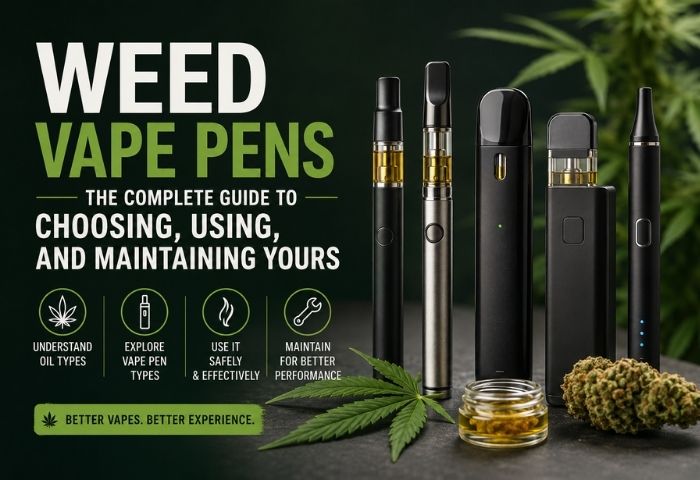
Vaping has become one of the most popular ways to consume cannabis, and it’s easy to see why. A good vape pen for weed is discreet, portable, and doesn’t come with the smell or harshness of smoking flower. But walk into any dispensary and you’ll find dozens of options: disposables, refillable pens, cartridges, pods, different oil types, and batteries with more settings than a coffee machine.
This guide breaks down everything you need to know about weed vape pens so you can pick the right one, use it properly, and get the most out of every session.
What Is a Weed Vape Pen
A weed vape pen is a small, battery-powered device that heats cannabis oil or concentrate into an inhalable vapor. Unlike combustion methods like joints or bowls, vaping doesn’t burn plant material. Instead, it heats the oil at a lower temperature, releasing cannabinoids and terpenes without the smoke and tar produced by burning.
Most weed vape pens have three main parts. There’s the battery, which powers the device and controls temperature. There’s the atomizer or coil, which heats the oil. And there’s the cartridge or tank, which holds the cannabis oil itself. Some devices combine all three into one disposable unit, while others let you swap out cartridges or refill the tank yourself.
How a Weed Vape Pen Works
When you inhale or press the button on a weed vape pen, the battery sends power to the coil. The coil, usually made from ceramic or quartz, heats up and vaporizes the oil sitting against it. That vapor travels through the mouthpiece and into your lungs. Ceramic coils tend to heat more evenly and preserve flavor better than older cotton wick designs, which is why most modern pens use them.
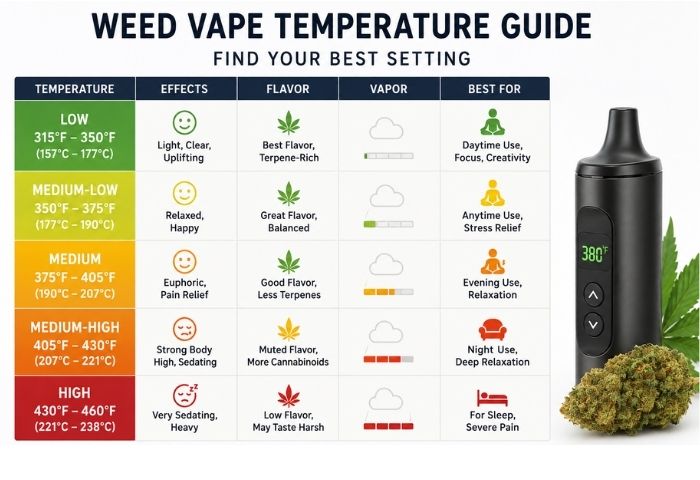
Battery voltage plays a big role in the experience. Lower voltage, usually in the 2.2 to 2.8-volt range, protects the delicate terpenes in the oil and delivers a smoother, more flavorful hit. Higher voltage, above 3.2 volts, produces thicker clouds but can scorch the oil if it’s used too aggressively. Many newer pens now auto-regulate voltage so you don’t have to think about it.
Types of Weed Vape Pens
Disposable Vape Pens
Disposable pens come pre-filled and pre-charged. You use them until the oil or battery runs out, then throw the whole unit away. They’re the easiest option for beginners since there’s no charging, filling, or maintenance involved.
Cartridge-Based Pens (510 Thread)
This is the most common setup you’ll see at a dispensary. A pre-filled cartridge screws onto a rechargeable battery using a universal connection called a 510 thread. Because this thread size is standardized across most brands, you can mix and match cartridges and batteries fairly freely, which gives you a lot of flexibility.
Pod Systems
Some brands, like Stiiizy, use proprietary pod systems instead of the standard 510 thread. These pods snap into a matching battery and usually handle voltage automatically. The trade-off is that you’re locked into that brand’s hardware, since the pods won’t fit other batteries.
Refillable Vape Pens for Weed
A refillable vape pen for weed uses a reusable tank that you fill yourself with cannabis oil or concentrate, rather than swapping in a new pre-filled cartridge each time. These are popular with people who buy oil in bulk or who like more control over what goes into their device. Refillable pens tend to save money over time since you’re not paying for new plastic cartridges with every purchase, and many of them work with a wider range of oil consistencies, including thicker live resin extracts.
The main downside is that refilling can get messy if you’re not careful, and the tanks need occasional cleaning to prevent clogging or residue buildup. Still, for regular users, a refillable pen is usually the more practical long-term choice.
Dab Pens
Dab pens are built for concentrates like live resin, badder, or shatter rather than liquid oil. They use higher-powered batteries and a small chamber instead of a wick, which makes them closer to a portable dab rig than a traditional cartridge pen.
Understanding What’s Actually in a Vape: Oil Types Explained
When people talk about weed in a vape, they’re usually referring to one of a few main oil categories. Knowing the difference matters because it directly affects potency, flavor, and the overall experience.
Distillate is a highly refined cannabis extract that isolates cannabinoids, mainly THC, while stripping away most terpenes and plant compounds. It’s potent and consistent, but on its own it lacks flavor, which is why many brands add terpenes back in afterward. Distillate is a solid choice if you want a strong, predictable hit without much fuss.
Live resin is made from cannabis flowers that are flash frozen right after harvest, then extracted while still fresh. This process locks in more of the plant’s original terpenes and cannabinoids, resulting in a richer flavor and a more well-rounded effect often called the entourage effect. Live resin generally costs more than distillate but delivers a more authentic taste of the strain it came from.
Live rosin is similar to live resin in that it starts with flash-frozen flower, but it’s extracted using heat and pressure instead of chemical solvents. It’s considered one of the cleanest, most flavorful concentrate types available, though it tends to be the priciest option.
Full spectrum oil keeps a broader range of the plant’s natural compounds intact, aiming for a slower, more balanced effect rather than an intense peak.
If potency is your main priority, distillate is usually the strongest per hit. If flavor and a more natural high matter more to you, live resin or live rosin are worth the extra cost.
How to Choose the Best Weed Vape Pen
With so many options on the shelf, picking the best weed vape pen comes down to a handful of practical factors.
Battery type and voltage control. If you want flexibility, look for a pen with adjustable voltage so you can match the heat to the oil you’re using. If you’d rather not think about settings, an auto-draw pen with fixed voltage is simpler.
Coil material. Ceramic coils generally offer better flavor and more even heating than older wick-style coils.
Compatibility. If you like to experiment with different brands, a standard 510 thread battery gives you the most freedom. If you’re loyal to one brand’s pod system, that’s fine too; just know you’ll be tied to their cartridges.
Airflow and draw resistance. A pen that’s too tight can be frustrating to pull from, while one that’s too loose can waste oil. Testing a demo unit in store, if possible, helps you get a feel for this before buying.
Lab testing. Always check for a Certificate of Analysis, often shown as a QR code on the packaging. This confirms potency and screens for contaminants, which matters far more than brand hype.
Discretion and portability. If you’re vaping on the go, pen-shaped devices that fit easily in a pocket are usually more practical than bulkier box mods.
How to Keep Your Weed Vape Pen Fresh
A fresh weed vape pen is one where the oil hasn’t degraded, and the hardware is clean enough to deliver smooth, flavorful hits every time. A few habits go a long way here.
Store your pen or cartridge upright and away from direct sunlight and heat. Cannabis oil can break down when exposed to warm temperatures or UV light for extended periods, which dulls both flavor and potency over time.
Avoid leaving a cartridge attached to a battery for weeks without use, since oil can settle or thicken, making it harder to draw from. If you notice thick, sluggish oil, gently warming the cartridge in your hands for a minute before use can help it flow more easily.
Keep the connection points clean. A small buildup of oil residue on the 510 threading can cause a poor connection or a weak hit, so wiping it down occasionally with a cotton swab keeps things running smoothly.
Refrigeration is a bit of a debated topic. Some people refrigerate cartridges to preserve terpenes longer, but cold oil can thicken and clog the coil if used straight from the fridge. If you do refrigerate, let the cartridge return to room temperature before vaping.
Safety Considerations
Buying from licensed dispensaries and checking lab results before purchasing is the single best thing you can do to vape safely. Reputable products are tested for pesticides, heavy metals, residual solvents, and potency, and none of them should contain vitamin E acetate, an additive linked to serious lung illness in unregulated vape products a few years back. Untested or black market cartridges carry real risk, so it’s worth paying a bit more for a product with a verifiable Certificate of Analysis.
If you’re new to vaping cannabis, start with a lower potency oil and take small draws to gauge how it affects you before increasing your intake.
If you’re shopping for reliable hardware or lab-tested oils to go with your setup, we carry a curated selection of vape pens and cartridges built with quality and consistency in mind, worth checking out before your next purchase.
Frequently Asked Questions
What’s the difference between a disposable and a refillable vape pen for weed?
A disposable pen is pre-filled and thrown away once it’s empty, while a refillable pen uses a reusable tank you fill with oil yourself. Refillable pens usually cost less over time and offer more control over the oil you use.
Is vaping weed better than smoking it?
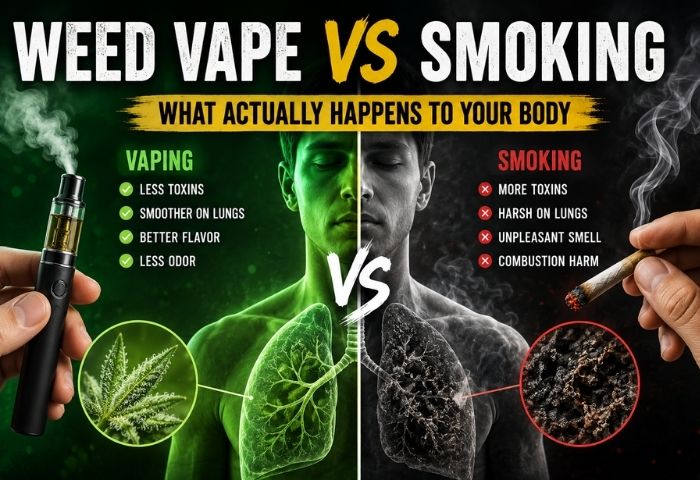
Vaping avoids combustion, which means less smoke and tar entering your lungs compared to smoking flower. Many people also find vapor tastes cleaner and carries less lingering odor.
How long does a weed vape pen cartridge last?
This depends on usage, but a standard half-gram cartridge typically lasts anywhere from a few days to a couple of weeks for an average user taking a few draws per day.
Can I use any cartridge with any battery?
Only if both use the same connection type. Standard 510 thread cartridges work with most 510 thread batteries, but proprietary pod systems only work with their matching brand of battery.
Why does my vape pen taste burnt?
This usually means the coil is running too hot for the oil, either from high voltage settings or from vaping a nearly empty cartridge where the coil is exposed to air instead of oil.
Summary
Choosing the right weed vape pen really comes down to how you plan to use it. If you want simplicity, a disposable pen gets the job done with zero setup. If you vape regularly and want more control over cost and oil choice, a refillable vape pen for weed is usually the smarter long-term pick. Whichever direction you go, prioritize lab-tested products, pay attention to coil quality, and take a few simple steps to keep your pen fresh, and you’ll get a noticeably better experience out of every session